Two Paths, One Product
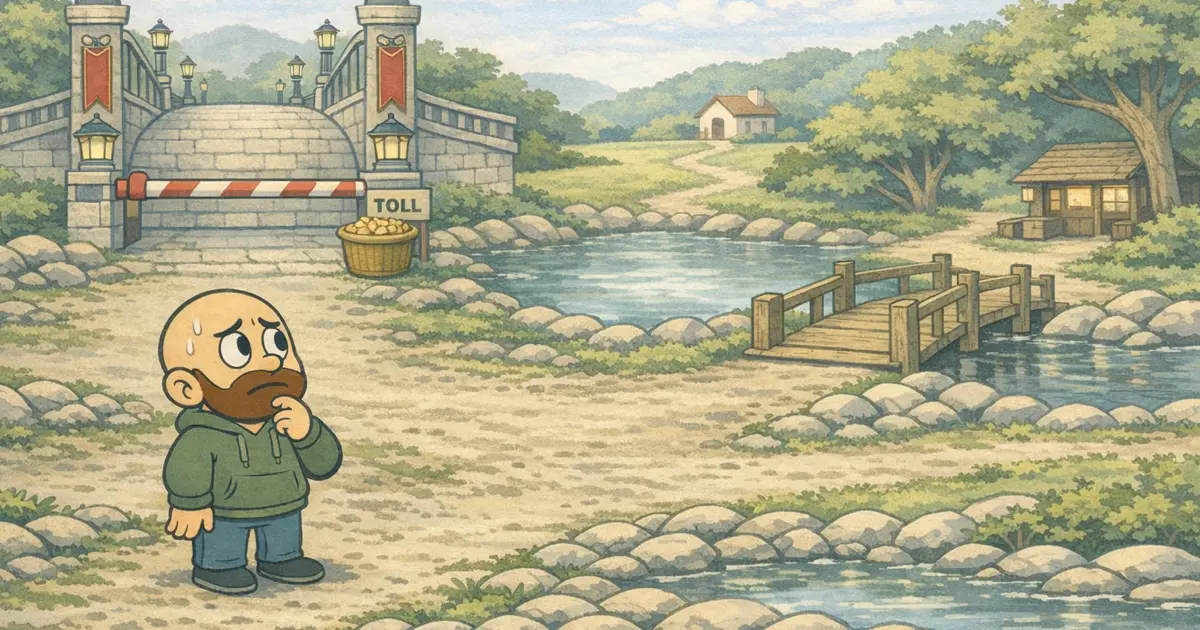
Every small maker eventually hits the same crossroads. Do you build your own online store or list your products on a big marketplace like Etsy or eBay? Both paths look simple on the surface, but the real decision sits in a tension most people feel and rarely say out loud.
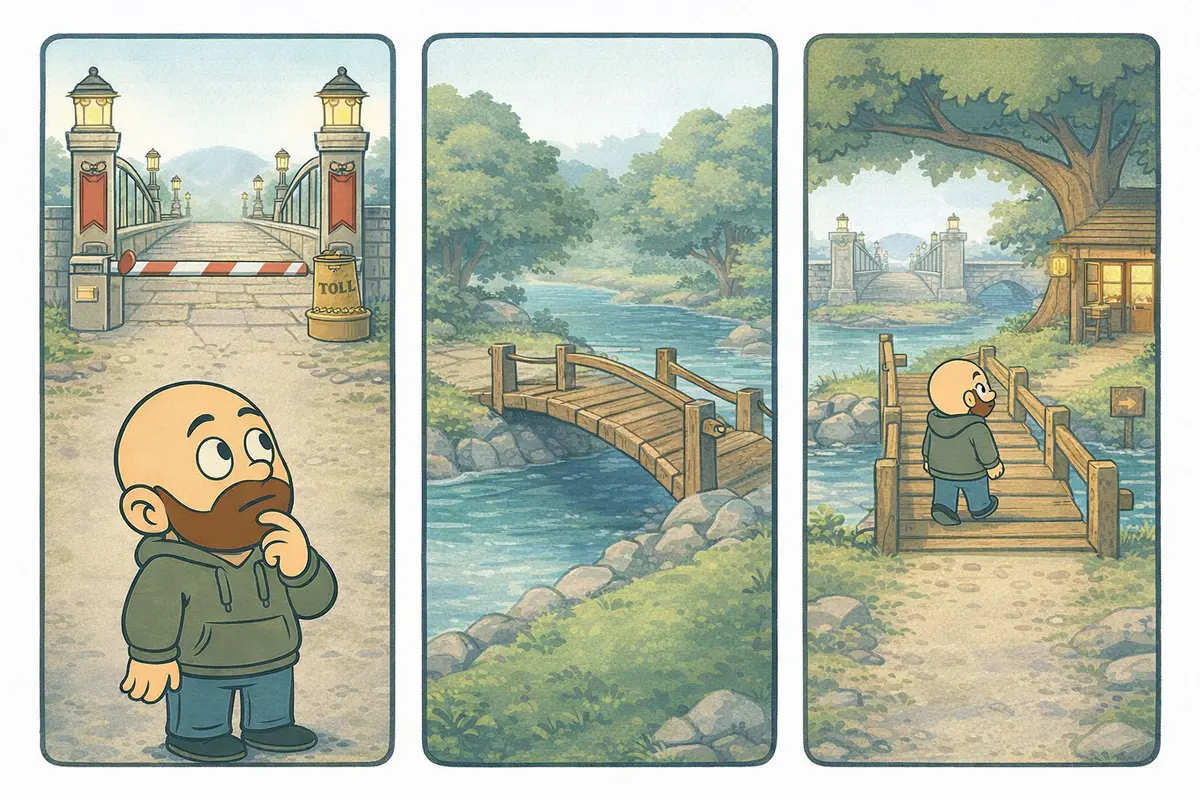
It is a bit like standing at a river with two bridges in front of you. One is ornate and familiar, but it has a toll gate. The other is simple and handmade, and it costs nothing to cross. Both bridges lead to the same place, but each one asks something different from you and from the buyer.
A custom store helps keep prices lower for buyers. A marketplace gives buyers instant trust. Choosing between them is harder than it looks.
I ran into this myself while building a store for my wife’s jewelry. We wanted to keep her pieces affordable. If we listed them on Etsy, we would have had to raise the price just to cover the fees. A custom site let us keep the cost down for the people actually buying the jewelry. But if I am honest, when I shop online I usually trust a known platform more than a random standalone site. That is the catch 22. The place where you can offer the best price is the place buyers trust the least.
The Case for a Custom Store
A custom store gives you control. You decide how your brand looks, how your products are presented, and how your story is told. You are not squeezed into a template or surrounded by competing sellers.
More importantly, you can keep your prices fair. Without marketplace fees stacked on top of each other, you do not have to inflate your price just to break even. For makers who care about accessibility and honesty, this matters.
You also own the customer relationship. You can build an email list, offer loyalty perks, and create a buying experience that feels intentional. Over time, this becomes the foundation of a real brand rather than a profile on someone else’s platform.
The challenge is trust. Buyers do not know you yet. They do not know if your checkout is secure or if your return policy is fair. They have no reviews to lean on. You have to earn every visitor and every sale through your own marketing.
The Case for Selling on Etsy or eBay
Marketplaces solve the trust problem instantly. Buyers already know the platform. They know the protections, the dispute process, and the review system. That familiarity lowers the barrier to buying from someone new.
But the tradeoff is cost. Fees stack up quickly. Listing fees, transaction fees, payment fees, advertising fees. If you want your product to stay visible, you often have to pay even more. For many makers, the only way to stay profitable on Etsy is to raise prices. That means the buyer pays more for the exact same item.
You also do not own your audience. You cannot email customers directly or build a long term relationship outside the platform. And you are always competing with similar sellers, often shown right below your own listing.
Why It Feels Like a Catch 22
The place where you can offer the best price is the place buyers trust the least. The place buyers trust the most is the place that forces you to raise your price.
That tension is real. It is also normal.
Most makers assume they have to choose one path. In reality, the two work best together.
A Better Way to Think About It
A marketplace is not your business. It is a marketing channel.
Your custom store is your business.
Marketplaces help people discover you. Your store helps people stay with you. The first sale might happen on Etsy. The second, third, and tenth should happen on your own site, where you can keep the price fair and the experience personal.
You can guide that shift gently. Include a card in your packaging. Offer a small repeat buyer perk. Share your story more fully on your site than you can on a marketplace profile. Over time, customers will choose the place that feels more connected to the maker behind the work.
Final Thoughts
You do not have to pick a side. You only need to understand what each option is good at. A custom store keeps prices fair and builds your brand. A marketplace builds trust and visibility. When you let each one do its job, they stop competing and start supporting each other.
If you are just starting out, use both. If you are growing, shift more of your energy toward your own store. The long term value is there, even if the short term trust takes time to build.
And just like the two bridges at the river, the goal is not to choose one forever. The ornate bridge brings people to you. The simple bridge brings them back.
A Sink in the Living Room
A misplaced or blurry logo makes a website feel like a sink in the living room, instantly signaling that something in the design is not where it belongs.
Small Firm, Big Difference
Choosing the right partner is a lot like choosing a mechanic. The smaller shop often gives you better care and value.