Every Project Starts Simple… Until It Doesn’t
It usually starts small.
A quick feature. A simple request. Something that feels contained and easy to reason about.
So you begin building.
At first, everything moves smoothly. The core idea comes together fast and it feels like you were right. This really is simple.
Then things start to shift.
The First Small Additions
The early changes always seem harmless.
Someone asks about an edge case. You add a check. Someone suggests a small improvement. You add a setting or a bit more flexibility.
Each change makes sense on its own. None of them feel like a big deal.
In fact, they feel like good decisions.
But the shape of the project is already changing.
When the Shape Starts to Shift
Over time, the simple thing you started with begins to grow.
A few options turn into many. Those options need to be saved. Different users need different behavior. New rules appear. New conditions. New exceptions.
You are no longer building a small feature.
You are building a system.
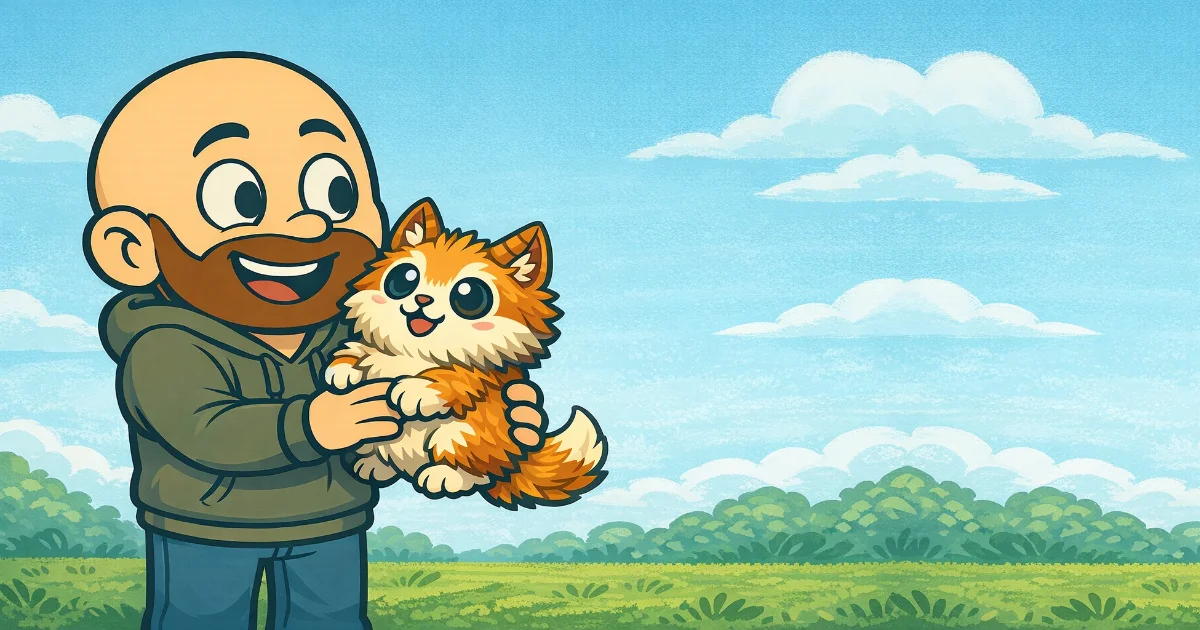
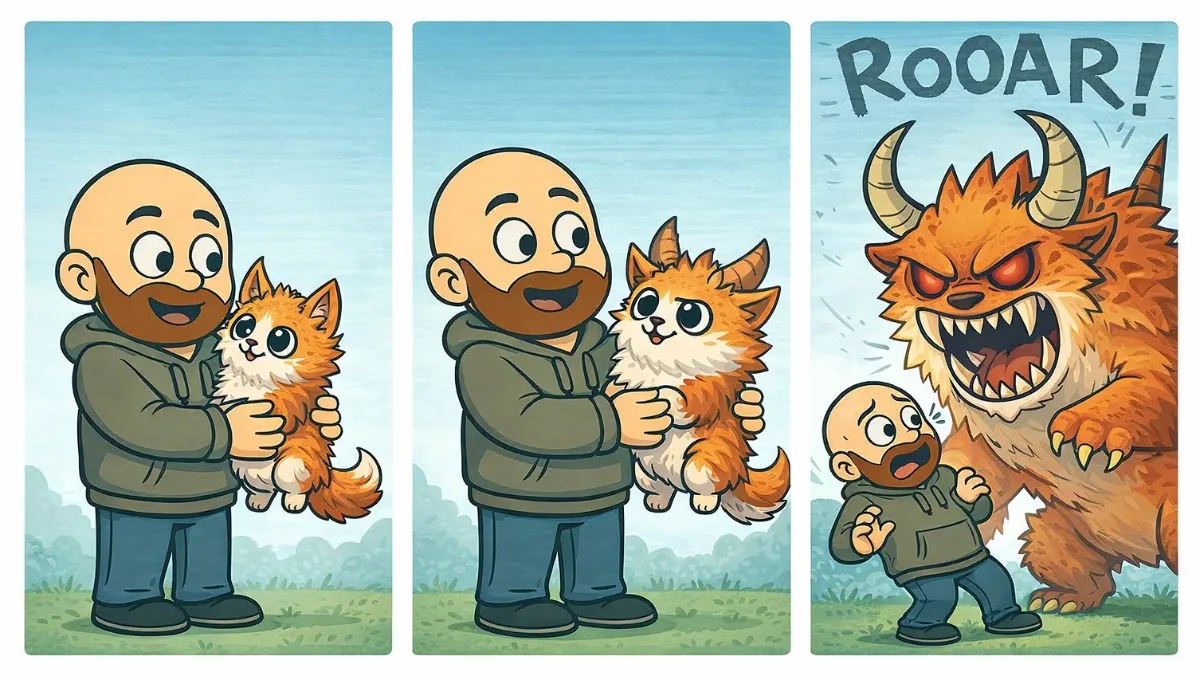
It is a lot like adopting something cute and manageable, only to realize later that it has grown into something much bigger and harder to control.
How Scope Actually Grows
Scope rarely expands because of one big request.
It grows through a series of small, reasonable choices. Each one adds a little more surface area. Over time, those small additions stack up.
The tricky part is that it never feels wrong while it is happening.
It feels like progress.
But the complexity is growing underneath.
The Cost of “Just One More Thing”
Every addition has a cost.
The code becomes harder to understand. Changes take longer. Simple updates require more caution. What used to be obvious now needs explanation.
Eventually, even small changes feel risky.
That is the moment when the project has outgrown its original simplicity.
What Was Missing
Most projects do not struggle because they were too ambitious.
They struggle because they never had clear boundaries.
There was no moment where someone defined what was in scope and what was not. No clear goal to measure decisions against. No tradeoffs when new ideas appeared.
Without boundaries, the project grows on its own.
The Role of a Plan
A solid plan is not about predicting everything.
It is about defining the problem clearly. What are we solving? What does success look like? What are we intentionally leaving out?
Those decisions create constraints.
And constraints keep a project from drifting.
Final Thoughts
Every project starts with clarity. The challenge is keeping it.
Good ideas will always show up along the way. The hard part is deciding which ones belong and which ones do not.
Simplicity takes discipline. It takes the willingness to say no, even when something sounds useful.
Because if you do not guide the work, it will grow on its own.
And before long, the small, friendly thing you started with becomes something much harder to manage.
The Hidden Cost of Free Website Builders
Free website builders promise quick and easy sites, but the real costs often appear later in the form of limited control, platform lock-in, and expensive upgrades.
The Lost Aroma
You can have a great product, a welcoming space, and a loyal local following, yet still feel invisible the moment the conversation shifts to the internet.