When Every Page Says Almost Nothing
Some websites stretch themselves across dozens of pages, but each page holds only a small amount of information. At first glance it feels organized. Everything has its own place. But for visitors, it becomes a slow walk through a house where every door leads to a nearly empty room. They keep opening doors, hoping the next one will finally have what they came for.
It creates a strange kind of frustration. The site looks full, but it feels hollow.
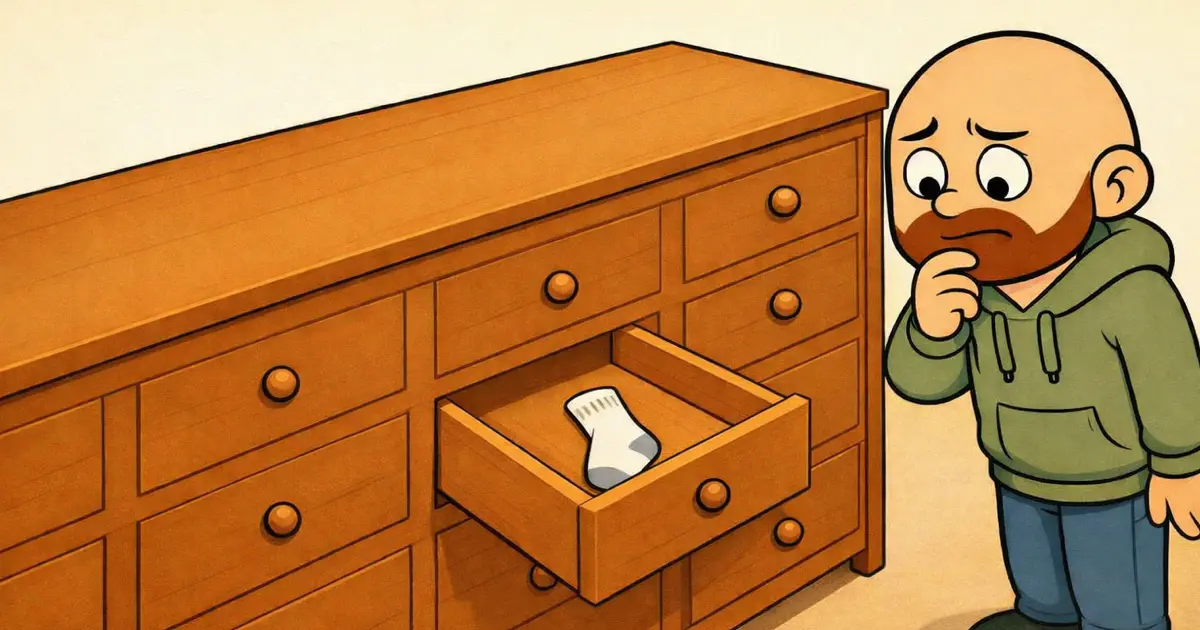
The Single Item Drawer
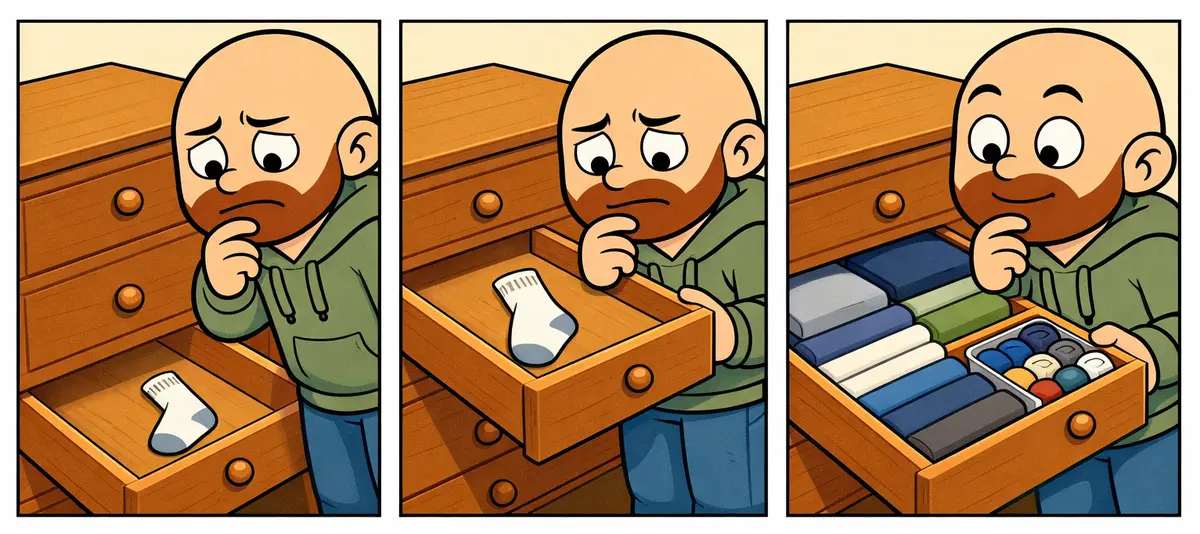
Imagine a dresser where every drawer holds one thing. A single sock in one drawer. A single T-shirt in another. A belt in its own drawer. A pair of jeans in another. The dresser looks tidy from the outside, but using it becomes a chore. You spend more time opening drawers than actually finding what you need.
A lot of websites work the same way. They spread small pieces of information across many pages, which forces visitors to keep clicking in search of something that should have been available right where they started.
How It Happens
Most of the time, this kind of structure grows slowly. A business wants to appear thorough. A template suggests a certain number of pages. Someone decides each topic should be separated, even if the content is only a sentence or two. Over time, the site becomes a collection of fragments instead of a set of helpful, complete pages.
Visitors do not measure a website by how many pages it has. They measure it by how easy it is to understand.
What People Actually Want
When someone lands on a page, they want to feel like they have arrived somewhere useful. They want enough information to answer their question. They want a clear sense of what to do next. They want to feel that their time is respected.
Thin pages make people feel like they are being sent on a scavenger hunt. Each click becomes another small disappointment. The site keeps promising answers, but the answers never seem to be on the page they are on.
A Better Way To Build
A strong website does not need a large number of pages. It needs pages that carry real weight. When related topics live together, the site becomes easier to navigate. When a page offers enough information to stand on its own, visitors feel grounded. When unnecessary layers are removed, the whole experience becomes clearer.
Often the best improvement is simply combining small pages into something more complete. One good page can do the work of several thin ones.
A Simple Guideline
If a page cannot stand on its own, it probably should not be a page. Bring related ideas together. Give visitors something they can actually use. Make each click feel worthwhile.
A website built this way feels confident. It feels helpful. It feels like it respects the person who is trying to learn something about your business.
Final Thoughts
A website should feel like a place where visitors can settle in and understand what you offer without having to chase down tiny pieces of information. When each page carries real weight, the whole site becomes easier to use. It feels more welcoming. It feels more honest. Most of all, it respects the time and attention of the people who are trying to learn about your business.
Bringing pages together is not about reducing content. It is about giving your content room to breathe. When you do that, your message becomes clearer and your website becomes something people actually enjoy spending time with.
The Hidden Cost of Waiting
There is a cost that rarely shows up in the decision-making process, because it never appears on a spreadsheet.
Is That Really How It Ends?
An unfinished website feels like a TV show that ends too suddenly, leaving visitors without the closure or confidence they expected.